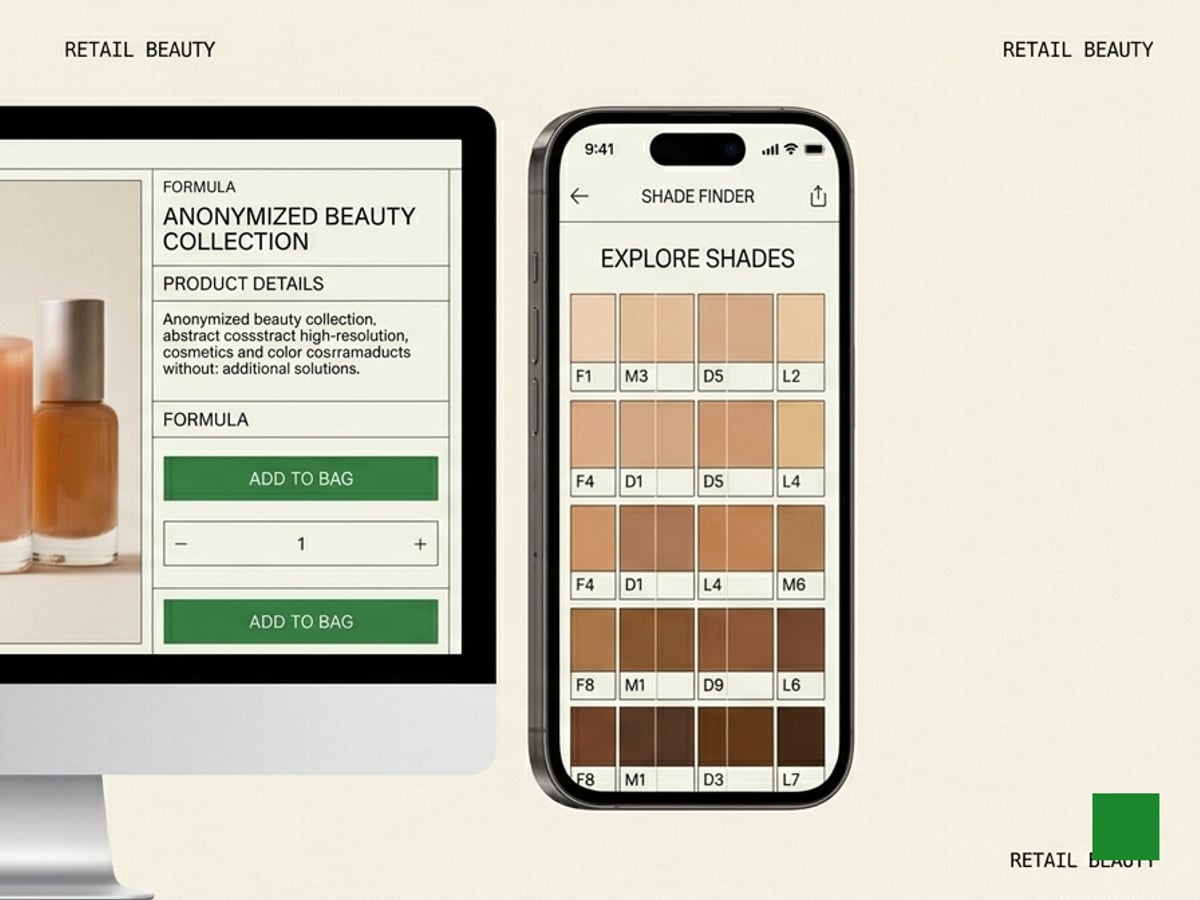
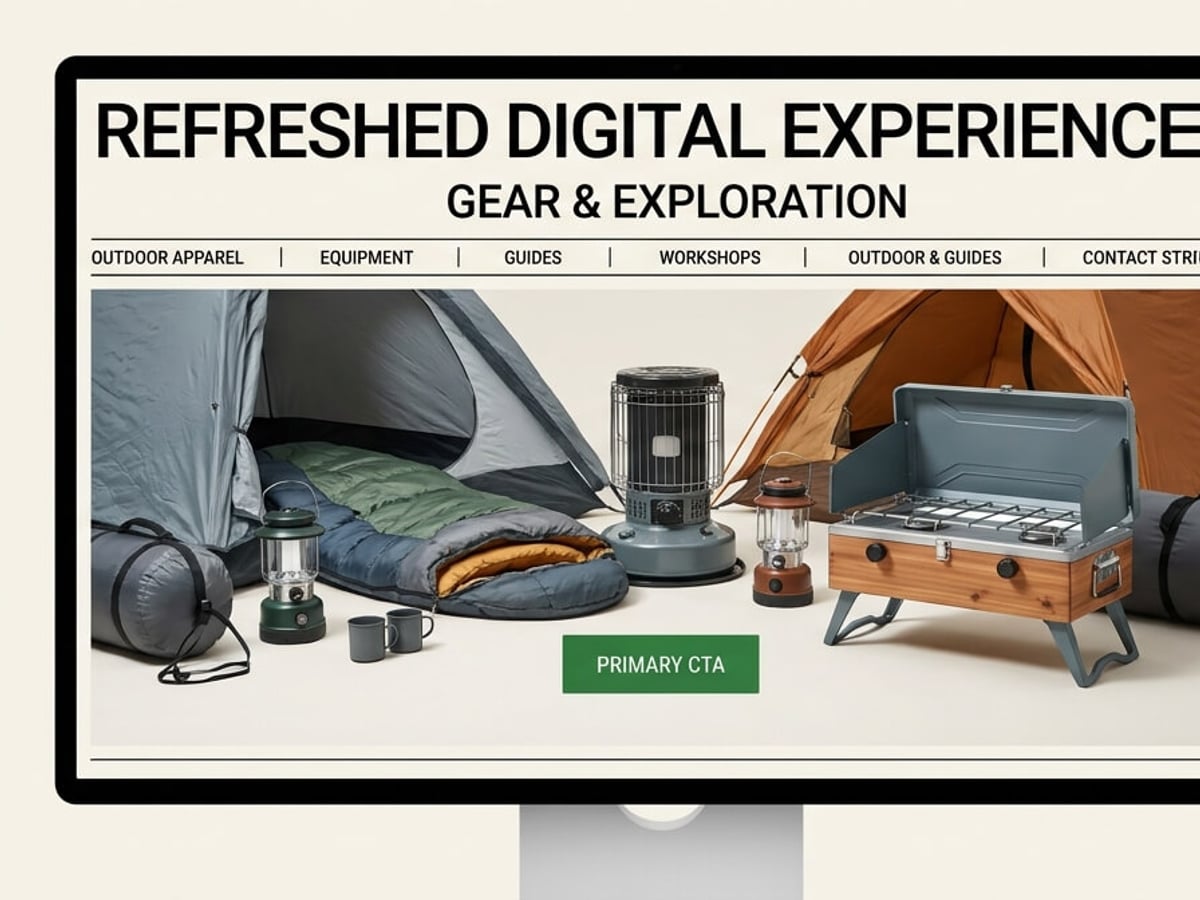
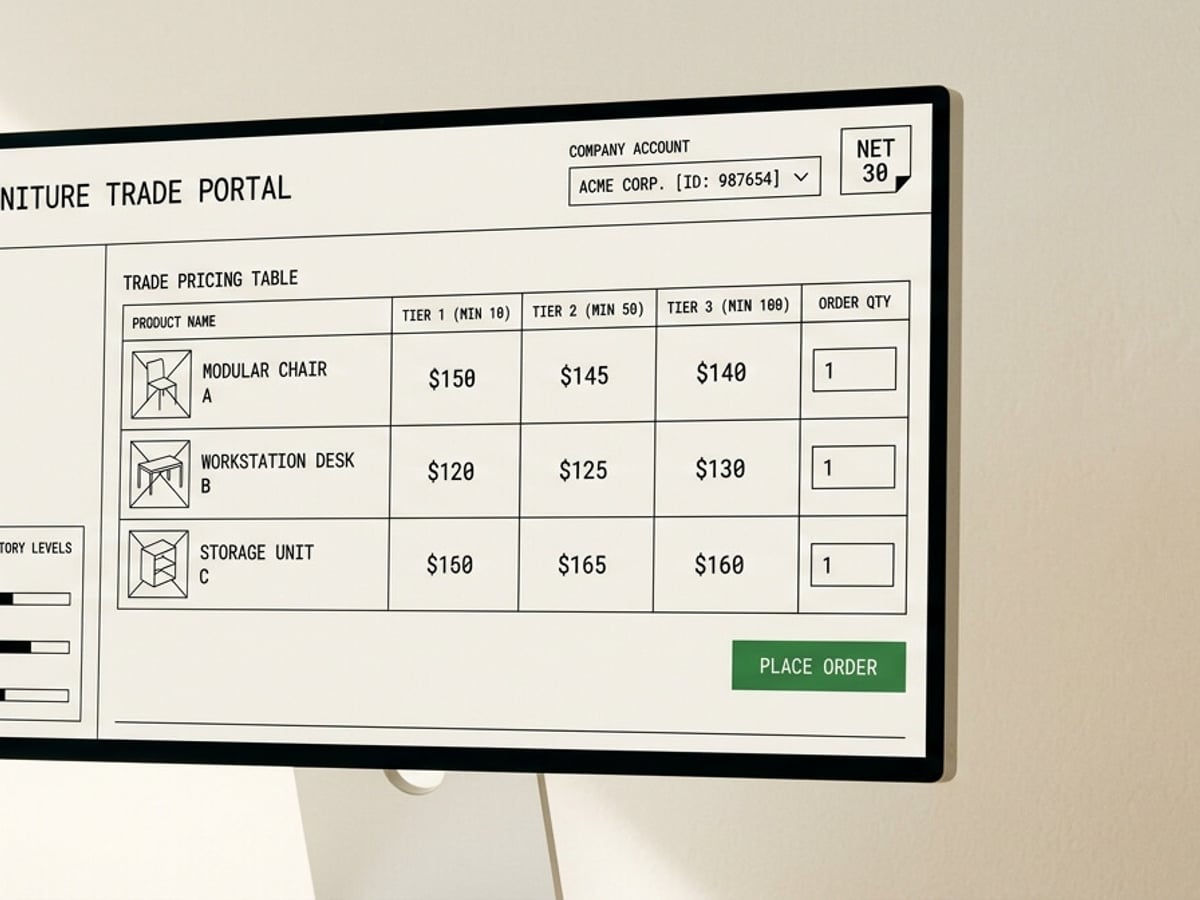
Hydrogen, Storefront API, Oxygen edge. Three production headless builds shipped. We'll be honest about when headless is the right answer — and when it isn't.
OS 2.0 has a performance ceiling. Headless removes it. If LCP <1.0s, INP <100ms is a hard requirement, headless earns its complexity.
You can build genuinely novel UX patterns. Editorial commerce, configurators, AR product views — patterns OS 2.0 can't reach.
Build cost 2–4× a comparable OS 2.0 build. Hosting cost real (Oxygen / Vercel). Editor experience worse. We tell you when the trade isn't worth it.
When OS 2.0's performance ceiling is the binding constraint, or when bespoke UX patterns can't be built within sections. Otherwise, OS 2.0 wins.
Hydrogen for Shopify-native. Next.js for marketing sites that happen to have commerce. We use both; we'll recommend the one that fits your team's stack.
It gets worse. Merchandisers can't "just edit" a headless storefront. We build a custom CMS layer (Sanity, Contentful) that bridges back to a familiar editor.
2–4× a comparable OS 2.0 build. £40k headless ≈ £12k OS 2.0 in equivalent scope. Hosting adds £200–£800/mo on Oxygen or Vercel.
Yes — Priority or Enterprise retainer tiers. Headless apps need different maintenance (deps, edge config, CMS sync) and we factor that in.
Tell us why you want headless. We'll come back with an honest assessment, an architecture sketch, and a fixed quote — or a recommendation to stay on OS 2.0.